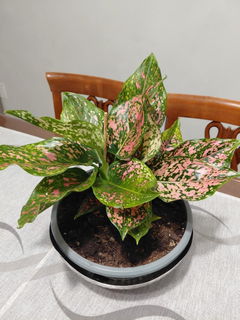
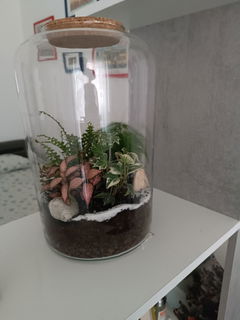
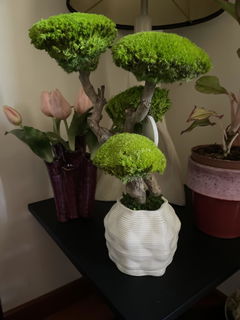
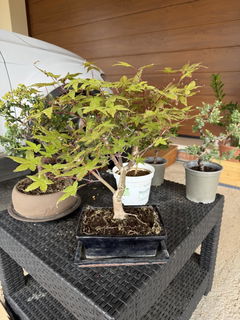
The Aglaonema Hydroponics Mix with terracotta cone is the ideal solution for those seeking a green indoor plant that combines aesthetics and practicality. This elegant Aglaonema, with its variegated leaves, brings a touch of nature and design to any environment, from modern offices to living spaces.
Features of the Aglaonema Mix
-
Aglaonema Mix in hydroponics: an innovative cultivation system for simplified management.
- Terracotta cone 16 cm in diameter and 60 cm in height, for a refined aesthetic.
- Variegated and decorative foliage, ideal for enriching indoor spaces.
- Self-watering system with absorbent rope and expanded clay for constant hydration.
- Transparent glass pot that serves as a reservoir, allowing water level monitoring.
- Resilient plant, also suitable for low light conditions.
Tips and Uses for Aglaonema Hydroponics
- **Placement:** Prefers bright environments with indirect light but also tolerates less illuminated areas. Avoid direct sun exposure.
- **Watering:** Check the water level in the glass pot and refill when necessary, ensuring the plant absorbs water gradually.
- **Temperature:** Maintain an ambient temperature between 18°C and 24°C, avoiding cold drafts.
- **Maintenance:** Gently clean the leaves with a damp cloth to remove dust and promote photosynthesis.
- **Aesthetics:** The terracotta cone perfectly matches various decor styles, from modern to classic.
Frequently Asked Questions
How to care for Aglaonema in hydroponics?
To care for Aglaonema in hydroponics, simply monitor the water level in the glass reservoir and refill when the indicator drops, avoiding direct sunlight.
How much light does Aglaonema in hydroponics need?
Aglaonema in hydroponics prefers medium to low indirect light, adapting well even to low light conditions. It is essential to avoid direct exposure to sunlight.
How often should I water Aglaonema in hydroponics?
Aglaonema in hydroponics requires less frequent watering compared to soil; just check the water level in the reservoir and refill it when necessary, about every 1-2 weeks depending on the environment.